

An undercut haircut features very short or shaved hair on the sides and back paired with significantly longer hair on top, creating a sharp, disconnected contrast between the two sections. Unlike a fade that gradually blends lengths, an undercut has an abrupt line of demarcation where short meets long, making it a bold, statement-making style. This versatile cut works on straight, wavy, curly, and textured hair, suits multiple face shapes, and can be styled sleek and polished or messy and textured depending on your preference.
The Defining Characteristics of an Undercut
Disconnected Style: Sharp Contrast
The undercut’s most distinctive feature is its sharp, disconnected transition between the top and sides. The hair on the sides and back is clipped very short—often to the skin or using a clipper guard of 0 to 1—while the top remains considerably longer, typically 2 to 4 inches or more. This dramatic contrast is what differentiates the undercut from other short styles. According to Barberpedia, the undercut emerged as a response to men seeking more dramatic, fashion-forward styles that stood out from traditional fades and tapered cuts.
The disconnected line typically runs from above the ears around to the back of the head, following the parietal ridge—the curve where the top of the head begins to round. Barbers typically use clippers set to a specific guard length to create this clean separation, which requires skill and precision to execute properly.
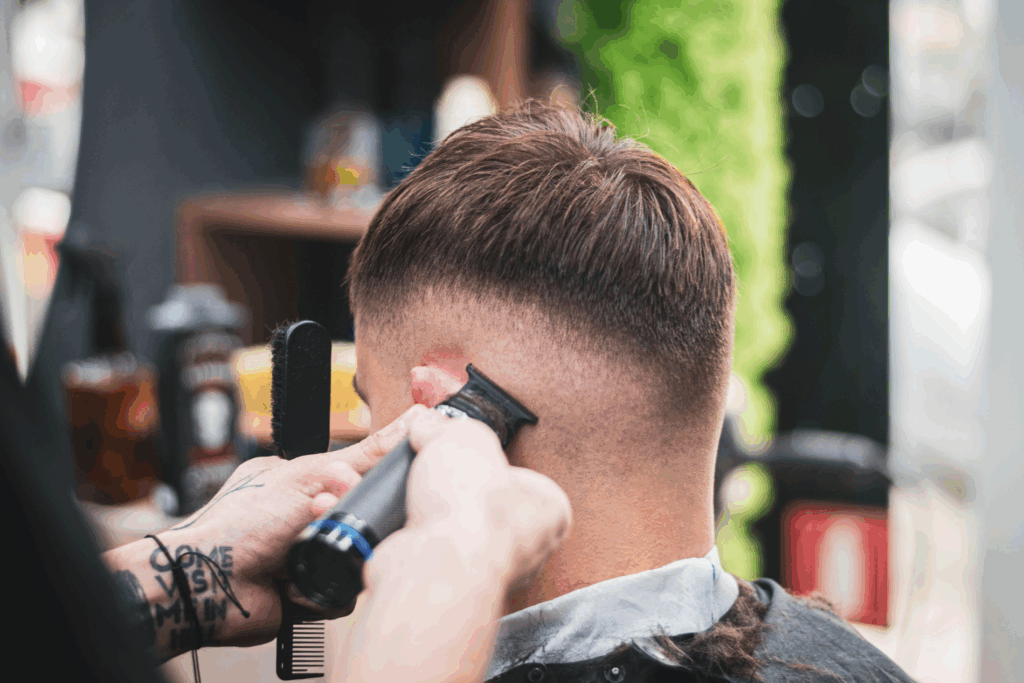
Short Sides and Back
The underside of an undercut is what gives it its name. Hair underneath is cut extremely short, creating a clean, minimalist foundation that contrasts with the fuller top. This short section includes the sides, back, and sometimes even the nape area. The clipper work on the sides and back must be precise to maintain the sharp line that defines the style. For professional guidance on executing this cut, explore our Barbering Tools Guide.
Long, Versatile Top
The hair on top of an undercut is left long and can be styled in numerous ways. This versatility is one reason the undercut remains so popular. You can slick the top back for a polished, business-appropriate look; part it to one side for a classic style; leave it textured and messy for a casual vibe; or even quiff it upward for extra height and drama. The length of the top section allows for creative styling options that a short all-over cut cannot provide.
Undercut Variations for Different Styles
Classic Undercut
The classic undercut features a clean, sharp separation with short sides (typically a grade 1 or 2) and a noticeably long top. This is the most recognizable version and works well for men seeking a bold but wearable style that transitions easily from casual to professional settings.
Disconnected Undercut
This variation emphasizes the separation even more dramatically. The sides are often shaved completely (skin fade) while the top is left extremely long, sometimes 4 to 5 inches or more. This creates maximum contrast and is favored by those who want a statement-making, fashion-forward appearance. According to GQ’s guide on modern men’s haircuts, the disconnected undercut has become increasingly popular among younger men seeking bold self-expression through styling.
Undercut with Fade
Some barbers blend the undercut with a subtle fade on the sides, creating a hybrid style that offers the disconnected look of an undercut while maintaining some gradual length transition. This variation can be more forgiving and easier to maintain than a pure undercut.
Feminine and Androgynous Undercuts
Undercuts aren’t exclusive to men. Women and non-binary individuals often wear undercuts with pixie bobs, longer wavy or curly tops, or with sections hidden for a more subtle aesthetic. The cut can be highly personal and expressive, allowing for creative color combinations (like shaving designs or dyeing the undercut section) or texture contrasts.

Styling the Undercut
One of the undercut’s greatest strengths is its styling flexibility. The long top section allows for multiple looks:
- Slicked Back: Apply pomade or gel for a polished, vintage-inspired appearance perfect for professional or formal settings.
- Side Part: Create a sharp part for a classic, clean aesthetic.
- Textured and Messy: Use a matte product like clay or texture paste for a relaxed, contemporary look.
- Quiffed Up: Style the front section upward and back for height and drama.
- Natural and Tousled: Air-dry and use minimal product for an effortless, casual vibe.
The undercut works equally well on straight, wavy, curly, and permed hair. Curly-haired individuals particularly love undercuts because the short sides prevent bulk while the longer top showcases curl definition. For expert styling tips and product recommendations, check our Men’s Grooming Tips.
Undercut vs. Fade: Key Differences
| Feature | Undercut | Fade |
|---|---|---|
| Transition | Sharp, abrupt line | Gradual, blended |
| Side length | Very short (0-1 guard) | Gradually increases (2-5 guard) |
| Visual impact | Bold, disconnected | Clean, refined |
| Styling options | Multiple, versatile | Fewer styling options |
| Maintenance | Requires frequent trims | Requires regular fades |
| Face shapes | Most faces | Most faces |
| Hair types | All types | All types |
Face Shapes and Hair Types Suited to Undercuts
Best Face Shapes
The undercut works on most face shapes when styled appropriately. For round faces, styling the top upward adds height and length, balancing proportions. For square faces, the volume on top softens angular features. For oblong faces, shorter tops with side styling work well. Consult with a skilled barber to determine the best top length and styling direction for your specific face shape.
Hair Types
Straight hair showcases the clean lines and contrast of an undercut beautifully. Wavy hair adds natural texture and movement to the top section. Curly hair creates a striking volumetric effect when paired with an undercut’s short sides. Textured or coily hair emphasizes the contrast even more dramatically. The undercut is genuinely versatile across all hair types.
Maintenance and Upkeep
The undercut requires regular maintenance to preserve its sharp lines. Plan to visit your barber every 2 to 4 weeks to trim the short sections and maintain the disconnected line. The top section grows slower and can be trimmed less frequently, but regular trims keep the style looking intentional and polished. Using quality styling products suited to your hair type extends the time between cuts.
For professional barber services and undercut expertise, book an appointment at Barbertainer’s booking platform.
How to Request an Undercut from Your Barber
When booking an undercut, communicate clearly with your barber:
- Specify the exact length for the sides and back (ask for a specific clipper guard, like a 1 or skin fade).
- Describe how long you want the top section (in inches or compare to reference photos).
- Clarify whether you want a pure disconnected look or a subtle fade blend.
- Bring inspiration photos showing your desired styling and overall aesthetic.
- Discuss your hair type and styling preferences to ensure the top length suits your lifestyle.
Summary: The Undercut’s Timeless Appeal
The undercut remains one of the most versatile and bold modern haircuts because it combines simplicity with dramatic visual impact. The sharp contrast between short sides and a long top creates a statement style that works across multiple face shapes, hair types, and personal aesthetics. Whether styled polished and formal or casual and textured, the undercut offers endless possibilities for self-expression while remaining relatively low-maintenance compared to other trendy cuts.
For professional guidance on achieving the perfect undercut and personalized styling advice, book a consultation with experienced barbers at Barbertainer’s booking platform.
For additional men’s haircut inspiration and grooming expertise, explore our Best Men’s Hairstyle Trends article.