

Martin Luther King Jr. had a Classic Short and Neat haircut and did not have a low taper fade haircut as some modern depictions suggest. Instead, during the 1950s and 1960s, MLK sported a short, neatly trimmed, natural hairstyle typical for professional African American men of that era. His haircut was clean, even, and maintained an appearance of dignity and professionalism befitting his role as a civil rights leader. Recent research and photographic archives from the Library of Congress and National Archives confirm this classic look, which aligns with grooming standards of the mid-20th century.
The Haircut: Classic Short and Neat
Rather than a gradual fade from longer to shorter hair at the sides (the taper fade popularized much later), King’s hairstyle was uniform in length, showing no signs of tapering or skin fade. The style showcased a natural hair pattern kept short to maintain a respectable and polished image during politically charged times. This haircut style was common among African American men before the afro became widespread in the late 1960s and 70s.
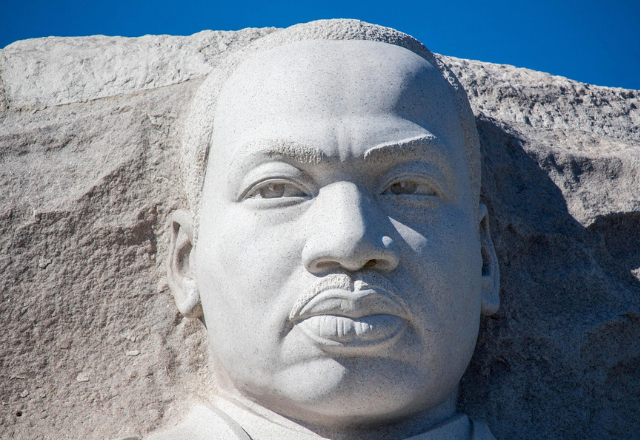
The Signature Butterfly Mustache
Though his haircut was understated, King’s mustache was distinctive and carefully groomed. He preferred a mustache styled to stand up and off his lip, famously described as “butterfly-shaped” due to the way the ends flared out resembling butterfly wings. This unique facial hair choice added to his charismatic presence and became a recognizable part of his image across speeches and public appearances.
Barber Nelson Malden: The Grooming Artist Behind the Style
Nelson Malden was Martin Luther King Jr.’s barber from 1954 to 1960, cutting his hair at Malden Brothers Barber Shop in Montgomery, Alabama. Malden was just 21 when King first walked into his shop, and over the years the two formed a friendship built on trust and mutual respect. Malden’s work shaped the civil rights leader’s classic look that balanced approachability with a polished demeanor, vital for King’s public and private roles.
According to Malden, King was very particular about his mustache and regularly asked that it be styled “like a butterfly.” This attention to detail reflects how grooming contributed to King’s self-presentation and confidence as a leader.
Cultural and Historical Significance of King’s Style
King’s grooming choices were more than personal preferences; they symbolized the professionalism and respectability African American men sought during a time of systemic discrimination and social upheaval. His neat, conservative hairstyle contrasted with emerging styles like the “conk” or later, expansive afros, echoing his strategic role as a peaceful and dignified civil rights leader.
Preserving an image that communicated seriousness and command was essential to King’s public persona, and his haircut and mustache became subtle yet powerful elements of his legacy.

Replicating Martin Luther King Jr.’s Iconic Look Today
- Find an experienced barber: Seek professionals knowledgeable in classic haircuts popular during the 1950s, emphasizing even length and clean edges without modern fading techniques.
- Request a short, natural, and even cut: No taper fades or lined edges, just a uniform trim.
- Style the mustache butterfly shape: Trim with care to ensure the mustache flares off the lip like wings, maintaining a neat silhouette.
- Regular maintenance: King’s grooming was consistent, so schedule regular visits for upkeep.
Explore our Men’s Grooming Tips for modern grooming insights and book appointments with expert barbers at Barbertainer’s booking platform.
Frequently Asked Questions About Martin Luther King Jr.’s Hairstyle
- Did MLK have a fade haircut?
No, he wore a classic, short, natural haircut common in his era, not the modern low taper fade. - Why did MLK’s hairstyle matter?
His neat haircut projected professionalism and dignity at a time when African Americans fought systemic injustice. - Who was Nelson Malden?
MLK’s trusted barber from 1954–1960 who shaped his iconic look. - How can I get a haircut like MLK’s?
Ask for a clean, even trim with a short length and style your mustache to flare off the lip in a butterfly shape.