

The best treatment for dry hair combines deep conditioning weekly, using hydrating shampoos and leave-in conditioners, limiting heat styling and frequent washing, and maintaining a nutrient-rich diet with omega-3s and vitamins. For mild dryness, a consistent routine of moisturizing products and gentle hair care practices delivers results within 2 to 4 weeks. For severely damaged dry hair, bond-repairing treatments like Olaplex combined with professional care provide the most dramatic improvements.
Understanding Why Hair Becomes Dry
Dry hair results from moisture loss in the hair shaft, typically caused by reduced sebum (natural oil) production, heat damage, chemical treatments, over-washing, or environmental factors like humidity and sun exposure. The hair cuticle—the outer protective layer—becomes raised and damaged, allowing moisture to escape. Understanding the root cause helps determine which treatment approach will be most effective.
Best At-Home Treatments for Dry Hair
Deep Conditioning and Hair Masks
Weekly deep conditioning is the foundation of any dry hair treatment plan. Rich hair masks and oils penetrate the hair shaft, replenishing moisture and smoothing the cuticle. According to Healthline’s guide on hair masks, ingredients like argan oil, coconut oil, and shea butter are particularly effective for restoring hydration. Leave masks on for at least 15 to 30 minutes (or overnight for intensive treatment) before rinsing with cool water to seal the cuticle.
Argan oil is rich in vitamin E and fatty acids, making it ideal for nourishing dry strands without heaviness. Coconut oil provides deep moisture and has antimicrobial properties. For best results, apply masks to mid-lengths and ends, avoiding the scalp to prevent greasiness.
Hydrating Shampoos and Conditioners
Switch to sulfate-free, hydrating shampoos that gently cleanse without stripping natural oils. Sulfates are harsh detergents that can severely dry hair, especially if used frequently. Pair shampoo with a rich conditioner applied to mid-lengths and ends, focusing on areas most prone to dryness.
For expert recommendations on product selection and hair care routines, see our Men’s Grooming Tips.
Leave-In Conditioners and Oils
Leave-in treatments provide continuous moisture throughout the day. Apply these products to damp hair after shampooing to seal in hydration. Leave-in conditioners are lighter than masks but highly effective for maintaining moisture between deep conditioning sessions. Oils like jojoba, rosemary, and peppermint oil also offer hydrating and scalp-stimulating benefits when applied in small amounts to damp hair.
Washing and Heat Management Strategies
Reduce Washing Frequency
Shampooing strips natural oils that protect and hydrate hair. For dry hair, wash no more than 2 to 3 times per week, or even less if possible. Between washes, use dry shampoo to absorb oil at the roots without stripping moisture from ends. This simple habit significantly improves dryness within weeks.
Gentle Drying Techniques
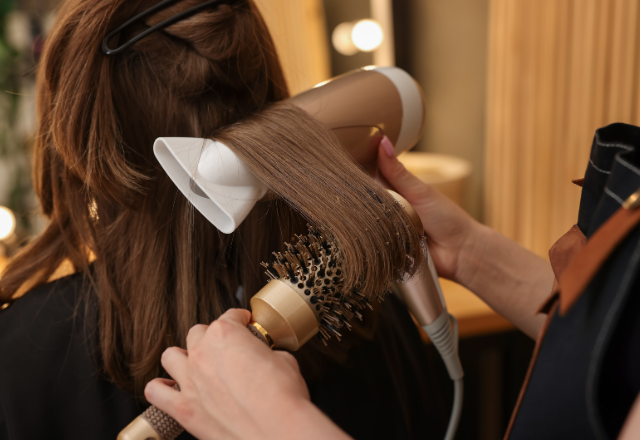
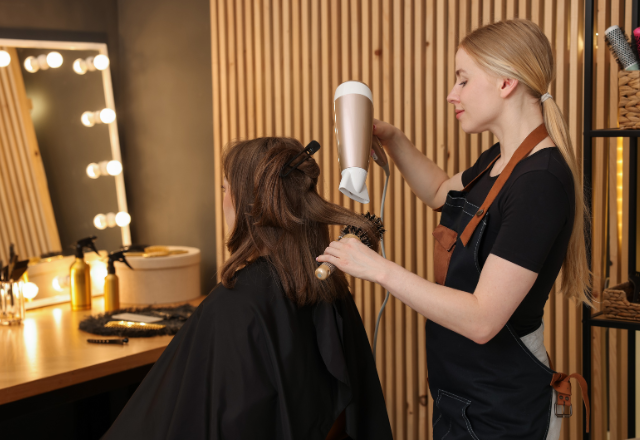
Towel rubbing damages wet hair and causes breakage. Instead, gently squeeze hair with a microfiber towel or soft cotton t-shirt to remove excess water. Air-dry when possible, or use a blow-dryer on a low heat setting with a heat protectant spray applied first. Heat protectants create a barrier between hair and damaging high temperatures, reducing moisture loss and frizz.
Limit Heat Styling
Frequent blow-drying, flat ironing, and curling accelerates moisture loss. Reserve heat styling for special occasions, and always apply heat protectant products before styling. Consider heatless styling methods like braiding damp hair or using foam rollers overnight for waves without damage.
Professional Treatments for Severely Dry Hair
Bond-Repairing Treatments
For hair damaged by bleaching, chemical treatments, or excessive heat, bond-repairing treatments like Olaplex rebuild the internal protein structure. These treatments use patented technology to reconnect broken disulfide bonds within the hair shaft, restoring strength and elasticity. Results are often dramatic, with users reporting softer, shinier hair after just one or two applications. According to research from the Journal of Cosmetic Dermatology, bond-repair technology shows significant promise for restoring severely compromised hair.
Pre-Shampoo Treatments
Apply intensive repair treatments 20 to 30 minutes before shampooing to pre-condition and strengthen strands before cleansing strips moisture. This two-step approach protects hair during the wash cycle and enhances overall hydration levels.
Comparison Table: Dry Hair Treatments by Severity
| Treatment Type | Best For | Timeline | Cost | Ease of Use |
|---|---|---|---|---|
| Weekly hair masks | Mild dryness | 2-4 weeks | Low | High |
| Hydrating shampoo/conditioner | Mild-Moderate dryness | 1-3 weeks | Low-Medium | High |
| Leave-in conditioners | Mild-Moderate dryness | Immediate & ongoing | Low-Medium | High |
| Oils (argan, coconut) | Mild-Severe dryness | 2-6 weeks | Low | High |
| Bond-repairing treatments (Olaplex) | Severe damage | 1-2 applications | High | Medium |
| Professional salon treatments | Severe damage | Variable | High | Low |
| Diet & supplements | Overall hair health | 4-12 weeks | Low-Medium | High |
Nutrition and Lifestyle for Healthy, Hydrated Hair
Foods Rich in Omega-3s and Vitamins
Hair health begins from within. Omega-3 fatty acids found in salmon, walnuts, flaxseeds, and chia seeds nourish hair from the inside, promoting hydration and shine. Vitamin E protects hair from oxidative stress, while B vitamins support hair growth and strength. Include plenty of leafy greens, eggs, sweet potatoes, and berries in your diet.
Hydration and Environmental Control
Drinking adequate water supports overall skin and hair hydration. Additionally, dry indoor environments—especially during winter with heating systems running—can worsen hair dryness. Use a humidifier to add moisture to the air, which helps hair retain moisture naturally.
Stress Management
High stress can trigger hair problems and reduce moisture retention. Practice stress-reduction techniques like exercise, meditation, or yoga to support overall hair and scalp health.
Regular Trims and Professional Care
Split ends make hair appear drier and frizzier. Schedule professional trims every 6 to 8 weeks to remove damaged ends and maintain a healthy appearance. Professional stylists can also recommend personalized treatments based on your specific hair type and damage level. For expert consultation on cuts and treatments tailored to dry hair, book an appointment at Barbertainer’s booking platform.
Summary: The Complete Dry Hair Treatment Plan
The most effective approach combines multiple strategies: deep condition weekly, use hydrating products, reduce washing frequency, minimize heat styling, apply leave-in treatments, eat a nutrient-rich diet, and get regular trims. For severe dryness or damage, invest in professional bond-repairing treatments and salon care. Most people notice significant improvement within 4 weeks of consistent treatment.
For additional grooming insights and professional hair care advice, explore our Barbering Tools Guide and How to Make Hair Thicker resources.