

To make hair thicker, combine nutrient-rich foods (protein, biotin, iron, zinc), gentle hair care practices, regular scalp massage, and targeted treatments like minoxidil or rosemary oil. Most people see noticeable results within 4 to 12 weeks when following multiple methods consistently. For instant visual fullness, use volumizing products and strategic styling techniques while building thicker hair from within.
Nutrition and Diet: The Foundation for Hair Thickness
Thicker, healthier hair starts from within. Your hair follicles depend on specific micronutrients and macronutrients to produce strong, resilient strands. Protein is essential because hair is primarily composed of keratin, a structural protein that requires amino acids to build and maintain. Include sources like eggs, chicken, fish, Greek yogurt, and legumes in your diet to support hair growth and thickness.
Biotin, also known as vitamin B7, plays a crucial role in hair health and is frequently recommended by dermatologists. According to Healthline’s guide on biotin and hair health, studies show that biotin supplementation may improve hair thickness and reduce breakage, particularly in people with deficiencies. Foods rich in biotin include almonds, sweet potatoes, spinach, and salmon.
Iron deficiency is a well-documented cause of hair thinning and hair loss, especially in women. Red meat, lentils, fortified cereals, and leafy greens like kale and spinach are excellent iron sources. Similarly, zinc supports hair growth and repair; deficiency in zinc correlates with temporary hair loss. Pumpkin seeds, beef, and cashews are zinc-rich foods to incorporate regularly.
Vitamins A, C, D, and E all contribute to hair health. Vitamin A supports sebum production (natural scalp oil that protects hair), vitamin C aids collagen formation, vitamin D influences hair follicle cycling, and vitamin E provides antioxidant protection. A balanced diet rich in colorful vegetables, fruits, and healthy fats ensures adequate intake of all these nutrients. For personalized nutrition guidance, consult a healthcare provider or registered dietitian, especially if you suspect nutritional deficiencies affecting your hair.
Scalp Care and Circulation Boosting
A healthy scalp is the foundation for thick, strong hair. Poor scalp circulation can limit nutrient delivery to hair follicles, compromising growth and thickness. Regular scalp massage is a simple, evidence-backed technique to improve blood flow. Spend 5 to 10 minutes daily massaging your scalp using your fingertips in circular motions, focusing on areas where hair feels thinnest.
Scalp massage becomes even more effective when combined with nourishing oils. Rosemary oil has gained scientific attention for its potential to stimulate hair growth, with some studies comparing its effects favorably to minoxidil. Peppermint oil may also enhance blood flow to the scalp, while coconut oil provides deep hydration and antimicrobial benefits. Castor oil contains ricinoleic acid and omega-6 fatty acids, which some research suggests support hair thickness.
When applying oils, warm them slightly before massaging into the scalp and leave them on for at least 15 to 30 minutes (or overnight) before shampooing. This practice combines relaxation with tangible hair health benefits. For expert grooming and scalp care advice, explore our Men’s Grooming Tips guide.
Gentle Hair Handling and Avoiding Damage
One overlooked but critical factor in achieving thicker hair is minimizing breakage through gentle handling. Wet hair is significantly more fragile than dry hair; brushing wet strands causes unnecessary breakage that makes hair appear thinner. Instead, apply a leave-in conditioner and gently detangle using a wide-toothed comb, starting from the ends and working upward.
Tight hairstyles like high ponytails, braids, and buns pull on hair follicles, causing traction alopecia—gradual hair loss from constant tension. Opt for loose, low ponytails or buns, or wear your hair down when possible. Heat styling tools, while convenient, damage the hair cuticle, making strands appear thin and fragile. Limit blow-drying, flat ironing, and curling iron use, and always apply a heat protectant spray when heat styling is unavoidable.
Washing hair with lukewarm rather than hot water and using sulfate-free shampoos prevents excessive drying and protein loss. Condition primarily the mid-lengths and ends, avoiding the scalp, to maintain the natural protective oils.
Methods to Make Hair Thicker: Quick Comparison
| Method | Timeline | Cost | Effort Level | Effectiveness |
|---|---|---|---|---|
| Dietary changes | 4-12 weeks | Low | Medium | High (long-term) |
| Scalp massage + oils | 4-8 weeks | Low | Low | Moderate |
| Gentle hair care | Ongoing | Low | Low | Moderate |
| Volumizing products | Instant | Low | Low | High (temporary) |
| Biotin supplements | 4-12 weeks | Low-Medium | Low | Moderate |
| Minoxidil (Rogaine) | 4-12 weeks | Medium-High | Medium | High |
| Rosemary oil | 4-12 weeks | Low | Low | Moderate |
| Professional treatments (PRP/LLLT) | 8-16 weeks | High | Low | Varies |
Supplements and Medical Treatments
If dietary changes aren’t producing noticeable results after three months, supplements may help, particularly if you have underlying deficiencies. Biotin supplements (2.5 mg daily) have shown promise in clinical studies for improving hair thickness. Iron and zinc supplements are beneficial if blood tests confirm deficiency. Consult a healthcare provider before beginning any supplement regimen to ensure safety and appropriate dosing.
For more significant hair thinning or hair loss, minoxidil (Rogaine) is an FDA-approved topical treatment clinically proven to regrow hair and increase thickness. Applied twice daily to the scalp, it typically requires 4 to 12 months to show results. Another option involves DHT-blocking shampoos containing ingredients like saw palmetto, which may slow hair loss by reducing the hormone DHT’s effect on hair follicles. Research from the American Academy of Dermatology confirms these approaches are among the most scientifically validated for combating hair thinning.
More advanced treatments, such as low-level laser therapy (LLLT) or platelet-rich plasma (PRP) injections, are emerging therapies showing promise in clinical research but often require professional administration and higher costs. Speak with a dermatologist to explore which treatment aligns best with your needs and budget.
Styling Products and Techniques for Instant Fullness
While building thicker hair from within takes time, styling products offer immediate visual improvements. Volumizing shampoos and conditioners coat hair strands, temporarily thickening them. Texturizing sprays and mousses add grip and hold, making hair appear fuller and easier to style. Dry shampoo absorbs scalp oils, adding texture and lift to hair at the roots—a quick fix for flat, limp-looking hair.
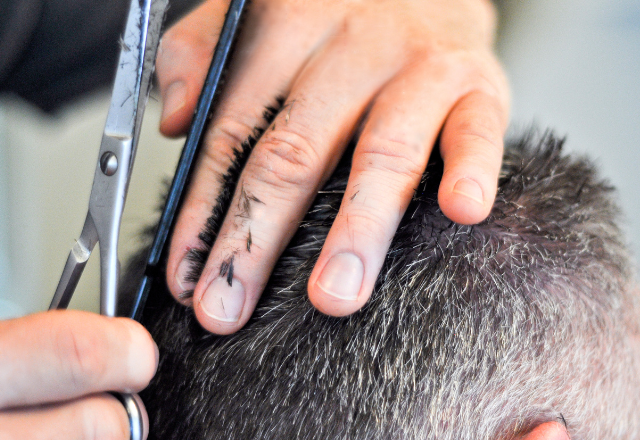
Changing your part can dramatically affect how thick your hair appears. Moving your part to the opposite side creates volume where you previously had a flat, worn line. Layering hair through strategic cutting creates movement and prevents the “helmet” effect of one-length styles. For professional cut recommendations, check our Barbering Tools Guide for styling insights or book a consultation with experienced barbers at Barbertainer’s booking platform.
Professional Options for Dramatic Results
If non-invasive methods aren’t delivering desired thickness, professional solutions exist. Hair extensions, whether tape-in, clip-in, or sew-in, instantly add volume and length. Fiber hair cosmetics—temporary coatings that cling to existing strands—create the appearance of a fuller head of hair within seconds. These options work well for special events or while waiting for internal methods to take effect.
A skilled stylist can also recommend cuts and colors that enhance perceived thickness. Shorter cuts prevent hair from appearing thin at the ends, while darker colors create the illusion of density. Textured or layered styles distribute hair volume more effectively than blunt one-length cuts.
Summary: The Path to Thicker Hair
Achieving thicker hair is a gradual process combining nutrition, scalp care, gentle handling, targeted treatments, and strategic styling. Commit to dietary improvements and supplement deficiencies, massage your scalp regularly with nourishing oils, minimize heat and tension damage, and consider evidence-based treatments like minoxidil or rosemary oil. While results take patience, most people notice measurable improvements in 2 to 3 months with consistent effort.
For personalized hair thickening strategies and professional grooming support, book an appointment with our expert barbers at Barbertainer’s booking platform.