

A mullet haircut features short hair at the front and sides, with significantly longer hair at the back. Famously described as “business in the front, party in the back,” the style offers a sharp contrast that has gone from retro to fashion-forward. Once a symbol of 1980s pop culture, the mullet has made a strong comeback thanks to modern variations that are more layered, subtle, and wearable.
Key Features of a Mullet Haircut
The mullet stands out for its dramatic shape and styling flexibility. Here’s how it typically breaks down:
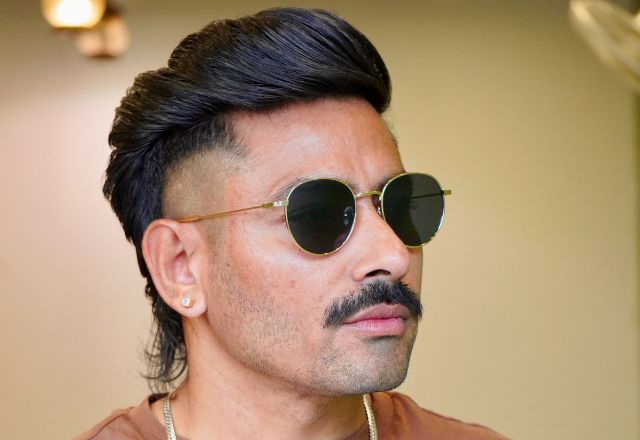
Front & Top: Hair is cut short or medium-length and often styled upwards or left textured. Fringe or messy layering is common in today’s versions.
Sides: Usually faded, tapered, or shaved, allowing for a clean look that blends into the back. The taper fade has become a popular option, and it’s often combined with a modern skin fade or buzz cut elements for added sharpness.
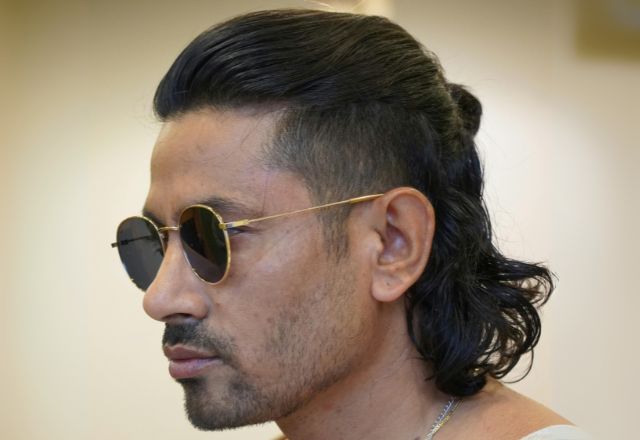
Back: The defining feature. Hair at the back is left long, falling to the neck or beyond. It can be straight, curly, or layered for texture and volume.
This structure creates contrast and edge, giving the mullet its unique identity among men’s hairstyles.
Classic vs Modern Mullet
The classic mullet became iconic in the 1980s with stars like Billy Ray Cyrus and David Bowie. It featured a stark difference between the short front/sides and the long back, often styled with gel or hairspray.
Modern mullets are more refined. They still maintain the core structure but include updated cutting techniques like layered transitions and better blending. Many clients now opt for a mix of mullet and fade, creating a look that’s fashionable and bold without being extreme. A more subtle, layered shape makes the modern mullet suitable for the office as much as a night out.
A Brief History of the Mullet Haircut
The origins of the mullet stretch back centuries. Historical records suggest that similar hairstyles existed among Ancient Greeks and in early European civilisations, where warriors valued the practical nature of short hair in the front and long hair in the back for neck protection.
The term “mullet” itself wasn’t widely used until the 1990s, when it was popularised by the Beastie Boys in their song Mullet Head. However, the look had already made its mark during the 70s and exploded in the 80s as a symbol of rebellion, youth culture, and musical subcultures.
Fast-forward to today, and the mullet is back—this time with a twist. Celebrities like Timothée Chalamet and Miley Cyrus have reintroduced it as a gender-neutral, stylish, and confident look.
Who Should Get a Mullet?
Mullets are a bold style choice. They suit those who want to stand out, embrace retro flair, or simply try something fresh. The haircut works best on thick or straight hair, but variations can be tailored for curly hair too. At Barbertainer, we help you personalise the mullet to your face shape, personality, and lifestyle.
If you’re not sure whether to go all in on a mullet, consider browsing our tips on how often a guy should get a haircut to keep any bold style in shape year-round.
Why the Mullet Is Still Trending
The return of the mullet isn’t just a nostalgia trip—it reflects the growing appetite for self-expression in men’s grooming. With more people embracing individuality through hair, the mullet offers endless variations. Whether you want a rockstar look or something more subtle, a skilled barber can adapt the mullet to your comfort zone.
Curious about other trendy or timeless styles? Explore the differences between a buzz cut vs crew cut to find a style that fits your vibe.
Get a Mullet Haircut in London
Whether you want a full mullet revival or a more refined version, Barbertainer can help you achieve the look. Our team specialises in both classic and modern men’s hairstyles, including mullets, fades, and textured cuts. If you’re ready to make a bold statement, book your appointment at our East London location and let us create a cut that suits your style perfectly.